

How to Feel Safe to Be Yourself
A few weeks ago, I ran one of my monthly Soul Healing Workshops on the theme of fear of being seen, and what unfolded during the session was honestly far deeper and more layered than I expected it to be.
I often run these workshops around themes that I personally resonate with and that my clients tend to resonate with too, such as sensitivity, boundaries, visibility, and all the things that sensitive souls often quietly struggle with in a world that can feel incredibly loud, demanding, and emotionally overwhelming.
What became very clear during the workshop was that almost everyone there, despite having completely different lives and experiences, was carrying some version of the same inner conflict.
On one hand, there was a genuine desire to express themselves more fully, whether that meant teaching, sharing healing work, speaking online, creating, performing, or simply allowing themselves to take up more space in the world.
But underneath that desire was another force pulling just as strongly in the opposite direction: the fear of being judged, criticised, rejected, misunderstood, or emotionally unsafe if they truly allowed themselves to be seen.
And I think this is something so many people carry quietly.
The Fear of Visibility and Being Seen
The fear of being seen is rarely just about visibility itself.
When we really start pulling at the thread, it usually leads us into something much deeper around self-worth, safety, shame, nervous system protection, childhood conditioning, ancestral patterns, and the soul’s relationship with authenticity and expression.
And for many sensitive people, hiding becomes such an unconscious survival strategy that they don’t even realise they’re doing it anymore. It simply becomes the way they move through the world.
During the workshop, one woman spoke about how she had spent years making herself smaller because she felt her energy was “too much” for other people. Another shared that although she deeply wanted to work with groups and step more visibly into her healing work, she completely froze whenever she tried to put herself online or speak publicly. Someone else described becoming almost completely isolated after a period of intense stress and burnout.
What struck me listening to everyone speak was how often hiding is misunderstood and how it can take so many different forms.
Sometimes our fear of being seen camouflages itself as perfectionism. Sometimes it looks like overthinking every interaction after it happens. Sometimes it looks like people-pleasing, masking, staying quiet, endlessly preparing instead of acting, or adapting ourselves depending on who we are around.
And sometimes it looks like exhaustion, withdrawal, emotional shutdown, or avoiding opportunities that we consciously know we want.
The behaviours themselves vary, but the emotional roots underneath them are often very similar.
Why Sensitive Souls Hide Themselves
One of the things I shared in the workshop is that, from both my own experience and the work I do with clients, most fear of being seen seems to come from two core wounds. The first is, “I don’t feel good enough to be seen,” and the second is, “it doesn’t feel safe for me to be seen.”
At first glance they can sound almost identical, but energetically they feel very different. One is rooted more in worthiness and confidence, while the other sits much deeper in the nervous system and is connected to fear, protection, trauma, and survival. And most people, if they are honest with themselves, carry some combination of both.
The “I’m not good enough” wound is often deeply tied to self-worth.
During the workshop I spoke about the difference between self-worth, self-esteem, and confidence, because I think people often confuse these things. Self-worth is the foundation underneath everything else. It is the understanding that we are inherently worthy simply because we exist. Not because of what we achieve, how productive we are, how spiritual we are, how attractive we are, or how much approval we receive from other people.
Worth is not something we earn. It is something we already are. And if you want to explore this theme further, here’s the book you’re going to love.
The difficulty is that many of us were never taught to feel that foundational sense of worthiness growing up. Instead, we learned to build our identity around performance, external validation, achievement, perfectionism, or being emotionally useful to others.
As a result, our confidence becomes extremely fragile because it is constantly dependent on how well we are doing, how other people respond to us, or whether we feel we have “got it right.”
Why Perfectionsim Keeps Us Hidden
This is why perfectionism is such a huge visibility wound for so many of us.
Perfectionism is rarely really about perfection - more often it is about emotional protection. Somewhere underneath it is the belief that if we can just say everything perfectly, present ourselves perfectly, never make mistakes, never embarrass ourselves, and never get criticised, then perhaps we will finally be safe enough to exist visibly in the world.
Of course, the problem is that perfection is impossible, and so people end up trapped in cycles of overthinking, procrastination, self-criticism, and self-sabotage instead. Many people in the workshop spoke about replaying conversations in their minds afterwards, analysing whether they had said the wrong thing or wondering how they had been perceived by others.
And I know this pattern very well myself too!
Even now, after running workshops and working with clients for years, there are still moments where I can feel myself becoming deeply self-critical if I think I haven’t expressed something well enough. The mind immediately starts trying to protect itself from shame by analysing, controlling, correcting, and over-monitoring everything.
But underneath that overthinking is usually fear - fear of rejection, fear of humiliation, fear of not being accepted or a fear of not belonging.
And belonging is actually a much deeper wound than most people realise.
The Two Core Reasons We Hide: Self-Worth and Emotional Safety
In the workshop we had a beautiful observation about how, historically, human beings survived in groups and communities. Being excluded from the group once genuinely meant danger and vulnerability. And in many ways, our nervous systems still carry those ancient survival responses.
This is part of why social rejection, criticism, exclusion, or public humiliation can feel disproportionately painful emotionally.
The nervous system often interprets these experiences as threats to safety and belonging rather than simply uncomfortable moments. Sensitive people in particular tend to feel these things extremely deeply because they are already highly attuned emotionally and energetically to the world around them.
What complicates this even further is that many sensitive souls learned very early in life that being fully themselves did not feel emotionally safe. Sometimes this comes through critical parents, emotionally volatile environments, bullying at school, social rejection, or growing up feeling fundamentally different from the people around them.
Other times it comes through more subtle emotional conditioning where children unconsciously learn that certain parts of themselves are acceptable while others are not. So we begin to adapt - we become quieter, smaller, easier, less emotional, less expressive and more socially acceptable.
And after years of doing this, many people genuinely lose touch with who they actually are underneath all the adaptations.
This was something that came up repeatedly in the workshop. Several people described feeling as though they had spent years changing themselves to make other people comfortable or to fit into environments where they never truly felt they belonged.
I think this is particularly true for highly sensitive people and those doing spiritual or healing work. So many carry this underlying feeling of being “different” from a young age, but because difference is often met with discomfort or misunderstanding socially, they begin suppressing parts of themselves in order to survive emotionally.
And eventually the suppression itself becomes exhausting.
Soul Contracts, Childhood Conditioning, and the Fear of Visibility
The second core wound we explored in the workshop of “it is not safe to be seen” tends to sit even deeper in the nervous system. This is where visibility stops feeling uncomfortable and starts feeling genuinely threatening emotionally.
For some people this comes from experiences in this lifetime where they were criticised, shamed, bullied, emotionally controlled, humiliated, or punished for expressing themselves authentically. For others, especially people who resonate deeply with spiritual work, there can also be a profound soul-level fear connected to persecution, suppression, or rejection carried through from past lives.
And it’s this emotional imprint that impacts the nervous system to the point where we develop the belief that visibility equals danger.
This can create a constant state of hypervigilance where people become highly attuned to other people’s emotions, reactions, moods, and energy. And if we have the 8-8 energy in our Soul Contract, we also tend to become the emotional peacekeepers because we learned early on that managing other people’s emotional states helped us stay safe.
This is where people-pleasing patterns often come from.
They are not signs of weakness, they are actually protective adaptations developed by the nervous system - but over time these adaptations disconnect us from authenticity. We become so focused on maintaining emotional safety externally that we stop fully expressing what is true internally.
Perfectionism, People-Pleasing, and the Masks We Learn to Wear
One thing I also found myself reflecting on during the workshop was how overwhelming modern visibility can feel for sensitive nervous systems.
Social media in particular creates an enormous amount of emotional exposure, and as human beings, we were never designed to absorb this much stimulation, comparison, opinion, information, and energetic noise all at once.
For highly sensitive people, constantly being perceived online can feel deeply dysregulating, and it’s no surprise that so many people freeze around visibility, especially if they already carry wounds around judgment or rejection. Posting something online can unconsciously activate fears that are far older and deeper than the moment itself.
And yet despite all of this, I don’t believe the soul actually wants us to remain hidden forever.
What came through so strongly during the workshop is that beneath all the fear, there is also an equally deep longing for authenticity, expression, connection, and embodiment. The soul wants to be fully here, it really wants to express itself honestly through us. It wants us to inhabit our lives more completely rather than continually shrinking ourselves in order to feel emotionally safe.
But I think healing this fear requires enormous compassion.
Forcing ourselves into visibility before we feel emotionally safe rarely works. In fact, it often retraumatises the nervous system further. What actually creates change is slowly building safety within ourselves. Developing self-awareness around the patterns we carry, understanding where they came from and learning to hold ourselves with compassion rather than judgment and shame when fear arises.
Healing Visibility Wounds Through Self-Awareness and Compassion
So much healing begins simply by recognising that hiding was never weakness, it was protection, and at some point, these behaviours genuinely helped us survive emotionally. The problem is simply that many of them no longer allow us to fully live.
And I think that is ultimately the deeper invitation underneath visibility work. Not becoming louder, more polished, more performative, or more socially acceptable, but becoming more authentic, more honest, more embodied and more connected to who we actually are underneath all the fear, masking, conditioning, and self-protection.
Because the goal is not to become someone else - the goal is to slowly feel safe enough to become more fully ourselves.
Further Support & Resources
If you’re navigating emotional challenges or feeling weighed down by old patterns, here are a few gentle ways to support yourself:
Join the next Soul Healing Workshop
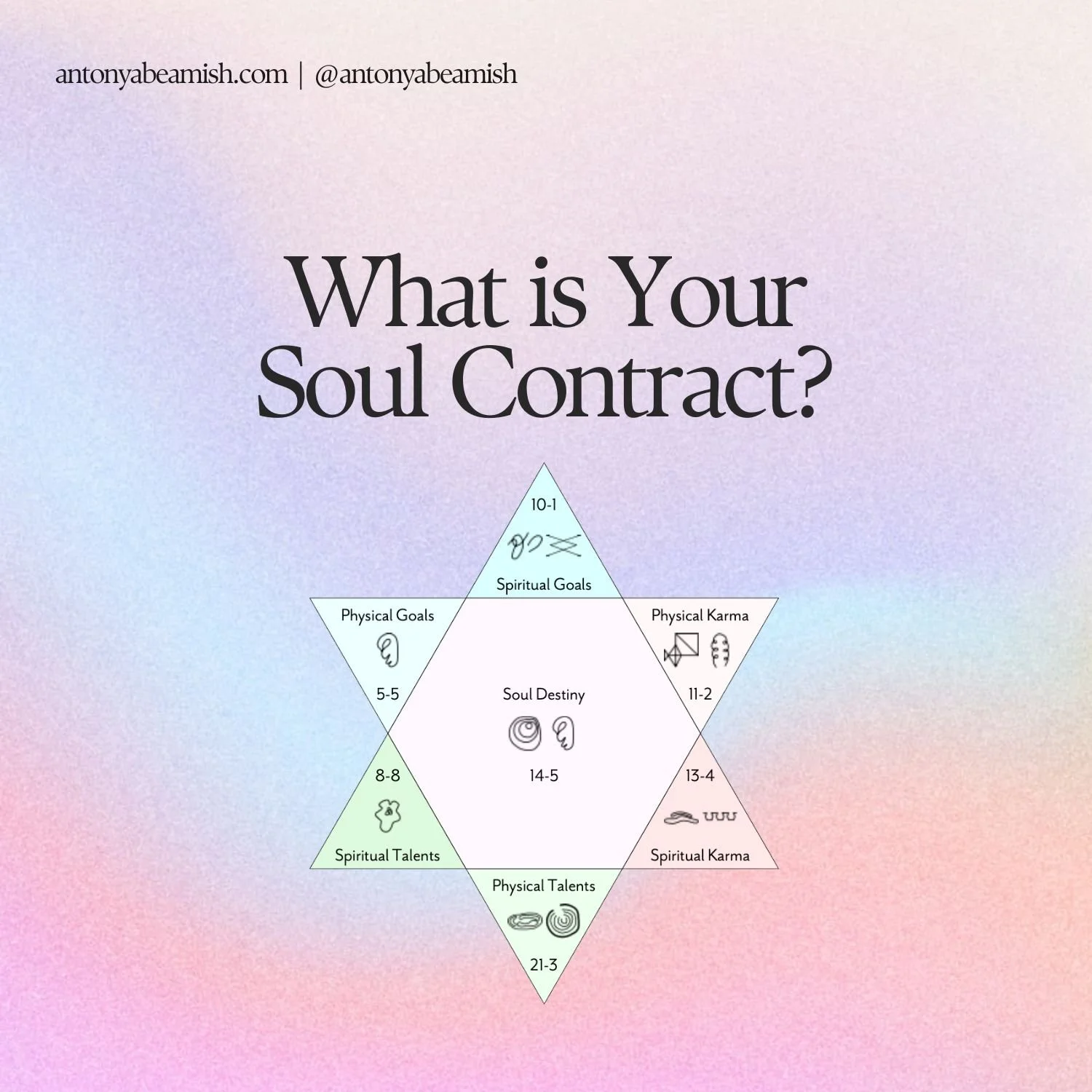
Come and explore the deeper emotional patterns, hidden in the Soul Contract, driving your behaviours.Discover your Soul Contract
Gain insight into the hidden patterns shaping your reality, and understand why certain emotional themes keep repeating in your life.Join the next Healing Programme
Experience a shared, guided space for emotional release and support, and connect with others on a similar path.Explore Divine Healing
Work one-to-one to release emotional patterns, trauma, and limiting beliefs, so you can feel more at home in who you are.Stay connected
Join my newsletter for monthly updates alongside the latest insights from the blog.
Carry on exploring









Explore how fear, trauma and a lack of confidence can disconnect you from your power, and how having self-awareness, boundaries and compassion with yourself, can help you reclaim it.